
About the project
This research stems from principles of disability gain and universal design, recognising the lived experiences of disabled people as drivers of innovation and positioning them as leaders in shaping inclusive futures.
Across the cultural sector, AI is increasingly promoted as a tool for inclusion. However, there is a persistent gap between intention and practice. Technologies are often introduced without disabled leadership or even meaningful consultation, and accessibility is treated as an afterthought rather than a starting point.
Initial findings from our pilot survey show that these approaches replicate existing inequalities, exacerbating the barriers they claim to address and further alienating disabled audiences. Museums are increasingly targeted by AI products and must navigate a difficult balance between limited capacity to evaluate these tools and the risk of being left behind.
This project addresses that gap by adopting a participatory approach. Disabled people are not positioned as end users, but as leaders, active contributors, collaborators and decision-makers in the research process.
The work is grounded in research on cultural participation, digital ethics and disability innovation, adopting principles from the ResponsibleAI and SlowAI frameworks. It contributes to ongoing debates about how technology can be developed and adopted responsibly and inclusively within the cultural sector.
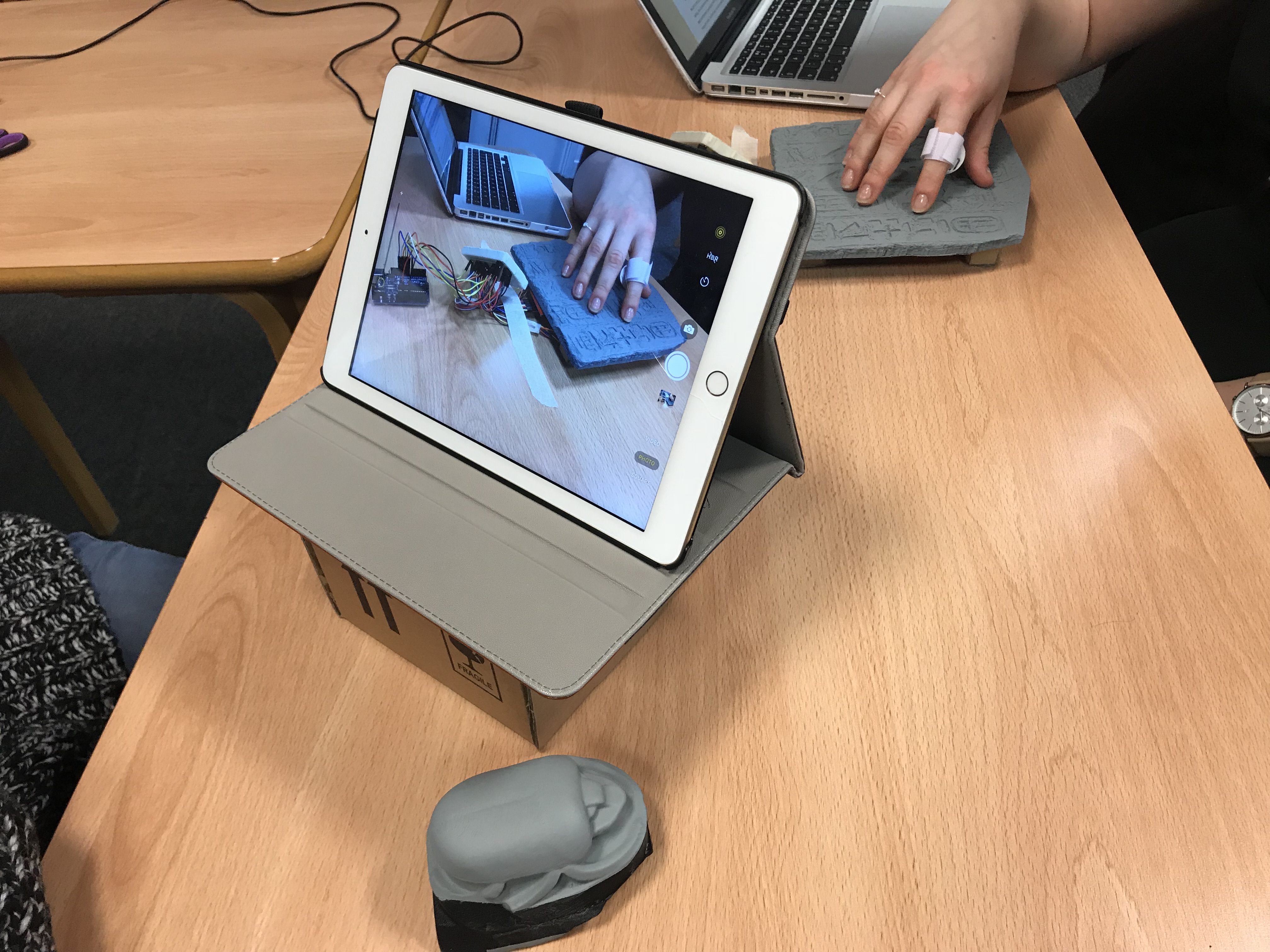
A Disability-Led Approach
The project is guided by the social model of disability principle “Nothing about us without us”.
It draws on the concept of Disability Gain, which recognises that the experiences of disabled people drive innovation that benefits everyone.
Rather than treating accessibility as a technical add-on, this approach:
- Centres lived experience from the outset
- Positions disabled people as experts, leaders, and innovators
- Encourages co-design and shared decision-making
- Challenges assumptions in technology development
When AI is shaped through disability-led insight, it becomes not only more inclusive, but more creative and effective for everyone.
About the research team
This project is led by Dr Rafie Cecilia, Lecturer in Museum and Gallery Studies in the Department of Culture, Media and Creative Industries at King’s College London, and an affiliate of the King’s Institute for Artificial Intelligence. The project is developed in collaboration with the KCL Faculty of Arts & Humanities.
Further details about Rafie’s research and publications can be found here
 Disability Museum AI